
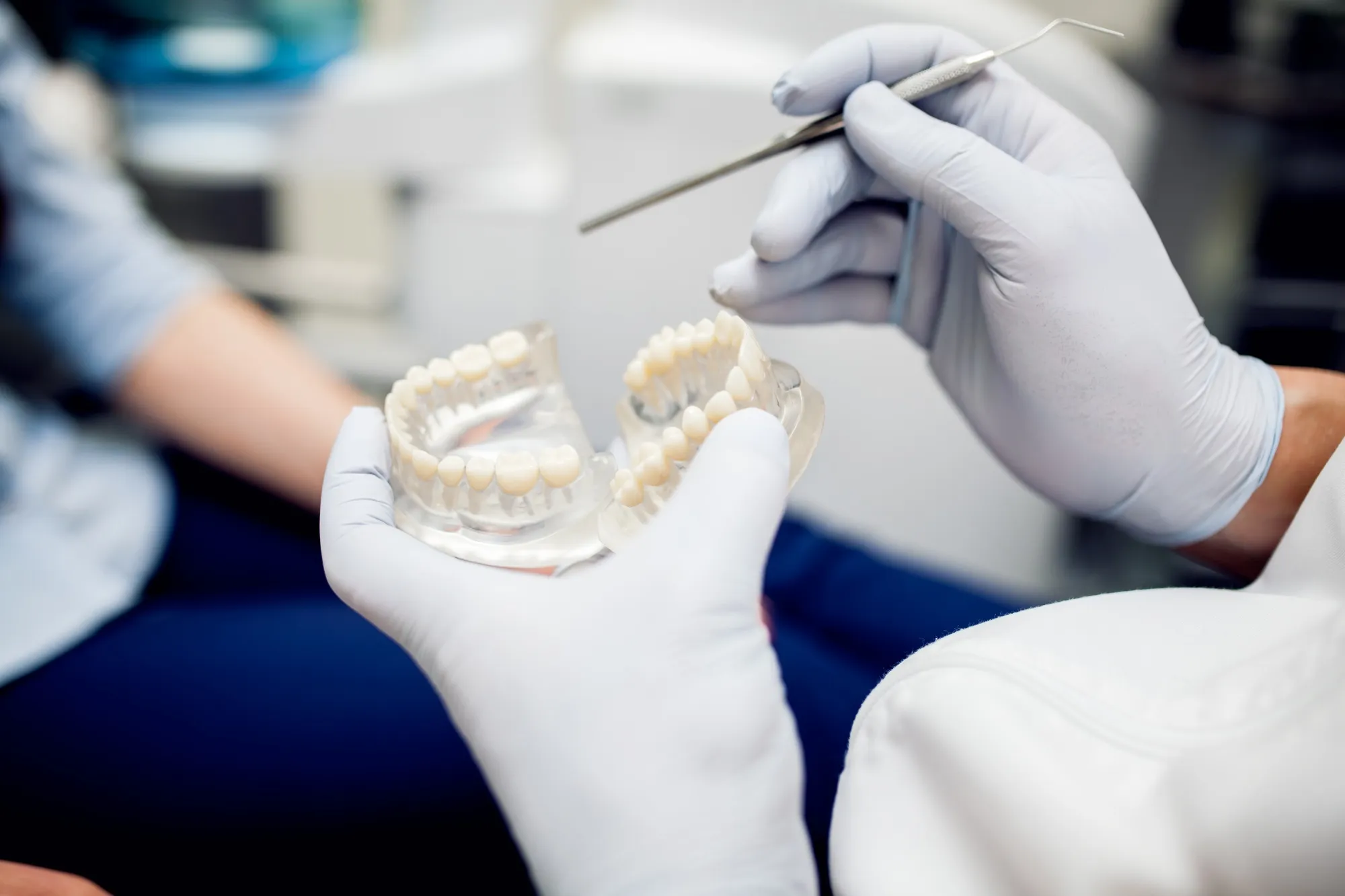
Dental implants can replace missing teeth and help you chew and smile comfortably. However, they are not right for everyone. Being a good candidate for dental implants depends on your gum health, jawbone strength, medical history, and daily habits. Your age alone does not decide if implants are right for you. If you have missing teeth or need a tooth removed, a dental check can help you understand your options. The dentist will check your mouth and ask about your health. They may also take X-rays or a 3D scan to plan your treatment. This helps them decide if you can get implants now or need other treatment first.
Who Can Benefit From Dental Implants?
Dental implants in Dacula may be an option for adults who have lost one or more teeth and want a stable replacement. Implants are placed in the jawbone to support a crown, bridge, or full set of replacement teeth.
You may be suitable for implants if you:
- Have one or more missing teeth.
- Have healthy gums or are willing to treat gum problems first.
- Have enough jawbone to support an implant, or may be able to build up the bone with a graft.
- Can keep your teeth, gums, and implants clean.
- Are healthy enough to undergo the planned treatment and healing process.
An implant assessment helps identify any concerns before treatment begins.
Why Does Gum Health Matter?
Healthy gums help protect the tissues around dental implants. Active gum disease can increase the risk of complications with healing and the tissues that support an implant. This does not always rule out treatment, but gum disease usually needs to be controlled first.
A dentist in Dacula can check for gum swelling, bleeding, and bone loss. If treatment is needed, the dentist may recommend gum care before planning implant placement. Regular dental visits and daily cleaning remain important after implants are placed because implants can still develop problems if the surrounding tissues become unhealthy.
Do You Need Enough Jawbone?
Dental implants near you need a strong base in the jaw to stay stable. After a tooth is lost, the bone in that area may shrink over time. Some people still have enough bone for an implant, while others may need extra treatment first.
During the assessment, dental X-rays or a 3D scan can help show the bone’s height, width, and shape. If there is not enough bone, a bone graft may be an option. This adds material to the area so new bone can grow as it heals. It may also mean waiting several months before an implant can be placed.
How Can Health and Daily Habits Affect Implant Treatment?
Your general health and daily habits can affect healing. Some health conditions and medicines may change the treatment plan, so share your full medical history with the dental team.
Factors that may need extra care include:
- Smoking: Smoking can slow healing and increase the chance of implant failure. Quitting smoking can help the area heal better.
- Diabetes: People with well-controlled diabetes may still get implants. However, high blood sugar can slow healing.
- Certain medicines or health conditions: Some treatments and conditions can affect bone healing or raise surgical risks.
- Teeth grinding: Clenching or grinding can place extra pressure on implants and replacement teeth.
A dental office near you can review these factors and explain what steps may help make treatment safer.
What Happens During an Implant Assessment?
Understanding dental implant candidacy involves more than checking for a missing tooth. The dental team will review your goals, examine your gums and bite, and check the available bone. Your medical history and ability to maintain good oral hygiene are also part of the decision.
Based on the results, you may need gum treatment, tooth removal, a bone graft, or an implant. Some people can get implants right away, while others need treatment first. A dental implant consultation near you can help you understand the treatment time, cost, and other ways to replace missing teeth.
Explore Your Tooth Replacement Options!
Replacing missing teeth starts with an exam to find the right option for you. Kinsey Smiles Dacula can check your teeth and gums, explain how implants work, and guide you through the next steps. Book a consultation to discuss your options and plan for replacing your missing teeth.
Get directions to Kinsey Smiles Dacula and visit our office in Dacula to discuss dental implants and find out if you’re a suitable candidate.
FAQs
Who can get dental implants?
Adults with missing teeth, healthy or treated gums, and enough jawbone may be able to get implants. A dental check and health review can help confirm this.
Do I need enough bone for dental implants?
Yes. The jawbone must be strong enough to hold the implant. If the bone is too thin or low, a bone graft may help.
Can smokers get dental implants?
Yes, some smokers can get dental implants. However, smoking can slow healing and increase the chance of implant failure. Quitting smoking before and after treatment can help the area heal better.
How do I know if dental implants are right for me?
An implant assessment can check your gums, jawbone, bite, and general health. The dentist can explain whether implants or another tooth replacement may suit you better.